
Table of Contents
- Understanding Egg Quality and Reproductive Health
- 1. Adopt a Nutrient-Rich Diet to Support Egg Development
- 2. Prioritise Antioxidants and Healthy Fats for Ovarian Function
- 3. Manage Stress and Support Hormone Balance
- 4. Maintain Healthy Body Weight and Regular Movement
- 5. Eliminate or Reduce Smoking, Alcohol, and Caffeine
- Egg Quality and Age: What the Evidence Shows
- Supplements for Egg Quality: Safety and Evidence
- When to Seek Fertility Evaluation
- Frequently Asked Questions
Last Updated: October 20, 2026
Understanding Egg Quality and Reproductive Health
Egg quality refers to the ability of an egg to support healthy fertilisation and embryo development. It’s distinct from egg quantity (how many eggs your ovaries produce) and becomes a key consideration for anyone trying to conceive naturally or through assisted fertility treatments. (Source: a Mediterranean-style diet)
At Acupuncture, we work with many women exploring natural ways to support their reproductive health. The reality is that egg quality depends on multiple factors: nutrition, stress levels, body weight, lifestyle habits, and age. Whilst age does influence egg quality, research shows that lifestyle choices can meaningfully support your body’s reproductive function at any stage.
This guide covers seven practical, evidence-informed ways to improve egg quality naturally. Each approach addresses a different piece of the puzzle, from what you eat to how you manage stress.
1. Adopt a Nutrient-Rich Diet to Support Egg Development
What you eat directly influences egg health. Eggs develop over several months, and the nutrients you consume during that time matter for their quality.
A Mediterranean-style diet, rich in vegetables, whole grains, fish, nuts, and olive oil, aligns well with supporting reproductive health. Focus on:
- Fresh vegetables and fruit: berries, leafy greens, broccoli, carrots, spinach
- Whole grains: oats, brown rice, quinoa, whole wheat bread
- Lean proteins: fish (especially fatty fish), chicken, legumes, eggs
- Healthy fats: nuts, seeds, avocado, olive oil
- Hydration: water as your primary drink
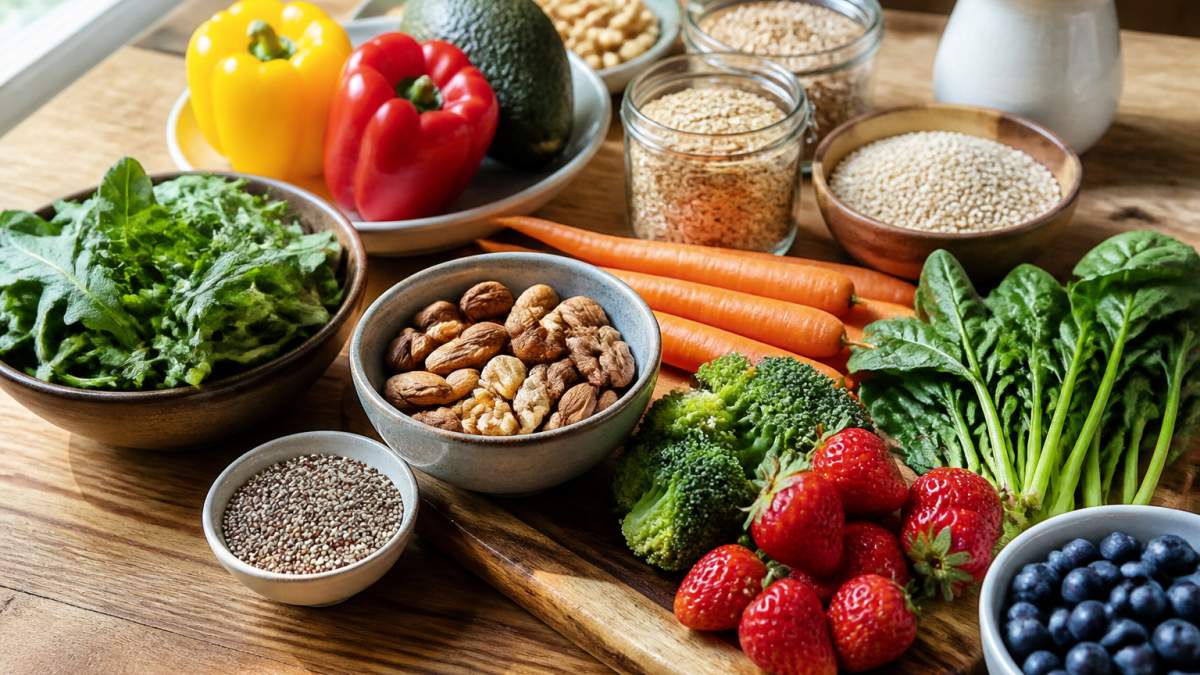
Key Nutrients and Food Sources
Certain nutrients play specific roles in egg development. Folate (found in leafy greens, legumes, and fortified grains) supports cellular function. Iron (from red meat, poultry, and plant sources) helps oxygen transport. Zinc (in nuts, seeds, and lean meat) supports hormone balance.
Rather than chasing individual supplements, prioritise whole foods first. A balanced plate with protein, vegetables, and healthy fats covers most nutritional bases. If you’re concerned about specific deficiencies, a consultation with a healthcare provider or dietitian can clarify what your body actually needs.
2. Prioritise Antioxidants and Healthy Fats for Ovarian Function
Oxidative stress occurs when reactive oxygen species (unstable molecules produced during normal metabolism and from environmental exposures) outpace your body’s antioxidant defences. Eggs are particularly vulnerable because the oocyte, the egg cell itself, is long-lived and accumulates damage over decades. Antioxidants help neutralise these reactive molecules before they can harm the egg’s DNA, proteins, and lipid membranes.
Antioxidant-rich foods and the compounds they contain:
- Berries (blueberries, strawberries, raspberries): anthocyanins and vitamin C
- Dark leafy greens (spinach, kale): lutein, beta-carotene, vitamin C
- Nuts and seeds (walnuts, almonds, flaxseeds): vitamin E, polyphenols
- Colourful vegetables (bell peppers, tomatoes, sweet potato): lycopene, beta-carotene
- Green tea: catechins (EGCG)
- Citrus fruits: vitamin C and flavonoids
Omega-3 fatty acids support hormone production and help regulate inflammation. The key compounds are EPA and DHA, found in fatty fish (salmon, mackerel, sardines, herring). Plant sources, walnuts, chia seeds, flaxseeds, provide ALA, which the body converts to EPA and DHA, though conversion is limited (often cited as under 10%). If you don’t eat fish regularly, many women find including both plant sources and a clinician-guided supplement helpful, but whole-food sources should come first.
Healthy fats also improve absorption of fat-soluble vitamins (A, D, E, and K), which need dietary fat to be used by your body. Include olive oil, avocado, or nuts with most meals.
Evidence grade: The link between oxidative stress and egg quality is well established in laboratory and animal studies, but human evidence that antioxidant foods directly improve egg quality or fertility outcomes is mixed and largely observational. Omega-3 intake is associated with better fertility outcomes in some studies, but causation is not proven. Treat this section as supportive nutrition, not a guaranteed egg-quality upgrade.
3. Manage Stress and Support Hormone Balance
Chronic stress elevates cortisol, your body’s primary stress hormone. Elevated cortisol can interfere with the hormones that regulate ovulation and egg development, specifically, it can suppress gonadotropin-releasing hormone (GnRH) from the hypothalamus, which in turn reduces follicle-stimulating hormone (FSH) and luteinising hormone (LH) signalling to the ovaries. This is one reason why prolonged stress can disrupt cycle regularity and ovulation timing.
Stress management isn’t optional, it’s part of reproductive health. Practical approaches include:
- Regular movement: walking, yoga, swimming, or any activity you enjoy (aim for 30 minutes most days)
- Breathing practices: slow, deep breathing for 5-10 minutes daily can shift your nervous system toward rest
- Sleep: aim for 7-9 hours nightly; poor sleep disrupts hormone balance and raises cortisol
- Mindfulness or meditation: even 10 minutes daily can reduce stress markers
- Time in nature: outdoor time lowers cortisol and supports wellbeing
- Social connection: time with people who matter to you
Evidence grade: The link between chronic stress and ovulation disruption is well established, but direct evidence that stress-reduction techniques improve egg quality specifically (as opposed to cycle regularity and overall wellbeing) is limited and largely indirect. Treat stress management as supportive of your reproductive health, not a proven egg-quality intervention.
Realistic timeline: Stress-hormone changes can occur within weeks, but any effect on egg development would take months, since eggs mature over roughly 90 days. Don’t expect overnight changes, consistency matters more than intensity.
At Acupuncture, acupuncture and herbal medicine can be valuable tools for stress reduction and hormone balance. Acupuncture works by stimulating specific points to calm the nervous system and improve blood flow to reproductive organs. If stress is affecting your cycle or wellbeing, speak with your GP or a qualified practitioner about whether these approaches are appropriate for you.
4. Maintain Healthy Body Weight and Regular Movement
Body weight influences reproductive hormones and egg quality. Both underweight and overweight states can affect ovulation and egg development. A healthy body mass index (BMI) supports hormonal balance.
Regular movement supports this goal and offers additional benefits: improved circulation to reproductive organs, better stress management, and stronger overall health.
Movement ideas:
- Brisk walking (30 minutes, 5 days weekly)
- Yoga or Pilates (2-3 sessions weekly)
- Swimming or cycling (low-impact options that protect joints)
- Strength training (2 sessions weekly)
- Dancing or any activity you enjoy
The key is consistency, not intensity. Excessive exercise can actually stress the body and disrupt hormones, so balance is important. If you’re unsure what’s appropriate for your situation, consult a healthcare provider or fitness professional. Establishing a sustainable routine supports your overall endocrine health, providing a stable foundation to balance hormones naturally.
5. Eliminate or Reduce Smoking, Alcohol, and Caffeine
Smoking accelerates egg aging and reduces egg quality. Women who smoke often have fewer eggs and lower fertility rates. If you smoke, quitting is one of the highest-impact changes you can make for reproductive health.
Alcohol can affect egg development, particularly when consumed in excess. Moderate consumption (if any) is the safer approach when trying to conceive.
Caffeine in high amounts may affect fertility. Current guidance suggests limiting caffeine to under 200 mg daily (roughly one cup of coffee) when trying to conceive. This is a modest adjustment for most people.
These changes are challenging, particularly quitting smoking, but the reproductive benefits are significant. If you need support, speak with your GP about cessation programs or counselling services available to you.
Egg Quality and Age: What the Evidence Shows
Age does influence egg quality. Women are born with all the eggs they’ll ever have, and egg quality gradually declines with age. This is a biological reality, not a failure on your part.
However, this doesn’t mean age is destiny. Research consistently shows that lifestyle factors, diet, stress, sleep, body weight, and avoiding harmful substances, support egg quality at any age. A 40-year-old woman who prioritises these factors may have better egg quality than a 30-year-old who doesn’t.
The practical takeaway: focus on what you can control. Start now, whatever your age. Improvements in diet, stress, and movement can take effect within a few months as new eggs develop.
Supplements for Egg Quality: Safety and Evidence
Many women ask about supplements to improve egg quality. Common suggestions include CoQ10, vitamin D, and prenatal vitamins.
Before starting any supplement, consult your healthcare provider or a qualified practitioner. Supplements aren’t regulated the same way as medicines, and some can interact with medications or other supplements. A practitioner can assess whether a supplement is appropriate for your specific situation and recommend a safe dose.
Some supplements have reasonable evidence supporting their use in reproductive health, whilst others lack strong scientific support. Your healthcare provider can help you navigate this landscape and avoid unnecessary spending or potential harm.
At Acupuncture, we work alongside your medical team to support your overall health. If you’re considering supplements, bring the conversation to your consultations so we can ensure everything works together safely.
When to Seek Fertility Evaluation
If you’ve been trying to conceive for 12 months (or 6 months if you’re over 35), it’s reasonable to discuss fertility evaluation with your GP or a fertility specialist. Testing can identify whether egg quality, ovulation, or other factors are at play.
A fertility evaluation is not a failure, it’s information. Many couples benefit from understanding what’s happening, whether through natural conception or assisted fertility treatment. Your GP can refer you to appropriate services.
In the meantime, the lifestyle approaches in this guide support your health regardless of your fertility journey. Better nutrition, stress management, and movement benefit you whether you’re preparing for conception, managing a chronic condition, or simply wanting to feel your best.
Ready to support your reproductive health holistically? At Acupuncture, we combine traditional Chinese medicine with modern clinical understanding to address the root causes of hormonal imbalance and stress. Our personalised treatment plans use precise acupuncture, herbal medicine, and remedial massage to improve blood flow to reproductive organs, reduce stress, and support hormone balance. With over 40 years of clinical experience, our team delivers low-pain treatments tailored to your needs. Book a consultation to discuss how we can support your fertility journey.
Frequently Asked Questions
How long does it take for lifestyle changes to affect egg quality?
Egg maturation takes approximately 90 days, so meaningful changes from diet, stress reduction, or movement typically require at least 3 months to show effects. Some women notice improvements in energy and hormone balance sooner, but reproductive outcomes are best assessed over longer periods. Consistency matters more than dramatic changes. Discuss realistic timelines with a qualified fertility specialist or healthcare provider.
Can egg quality be improved after 40?
Egg quality naturally declines with age due to biological factors affecting oocyte development. However, optimising lifestyle factors, nutrition, stress management, sleep, and movement, may help maximise the quality of remaining eggs. The evidence suggests these approaches support overall reproductive health rather than reversing age-related decline. Clinical evaluation can help determine your individual ovarian reserve and the most appropriate next steps.
Can supplements improve egg quality?
Some supplements are studied for reproductive health, but evidence varies widely. Coenzyme Q10, vitamin D, and inositol have research support in certain contexts, though quality and dosing differ across products. Always discuss supplements with your doctor or a qualified healthcare provider before starting, especially if you’re undergoing fertility treatment. They can advise on safety, interactions, and whether a supplement is appropriate for your situation.
Does acupuncture improve egg quality?
Acupuncture is used in traditional Chinese medicine to support reproductive health and hormone balance. However, rigorous evidence specifically linking acupuncture to improved egg quality is limited. It may be most effective as part of a comprehensive approach alongside nutrition, stress management, and medical care. Consult with both your fertility specialist and an experienced acupuncturist about how it might complement your treatment plan.


