
Table of Contents
- How Herbal Medicine Treatment Supports Everyday Health
- Benefits of Herbal Medicine for Immunity
- How Long Does Herbal Medicine Take to Work?
- Safety and Regulation of Herbal Medicine in Australia
- Personalising Herbal Treatment: Bio-Individuality and Sourcing
- Integrating Herbal Medicine with Conventional Care
- Conclusion: Making an Informed Choice
- Frequently Asked Questions
Last Updated: October 2, 2026
How Herbal Medicine Treatment Supports Everyday Health
Herbal medicine treatment is the therapeutic use of plant materials, prepared as teas, tinctures, capsules or topical applications, to support the body’s own capacity for balance and repair. At Acupuncture, we dispense herbs through a PICS GMP-certified dispensary, which means every formula is screened for quality before it reaches a patient. This guide explains where benefits of herbal medicine treatment are well supported, where the evidence is thinner, and how to judge a practitioner before you commit.
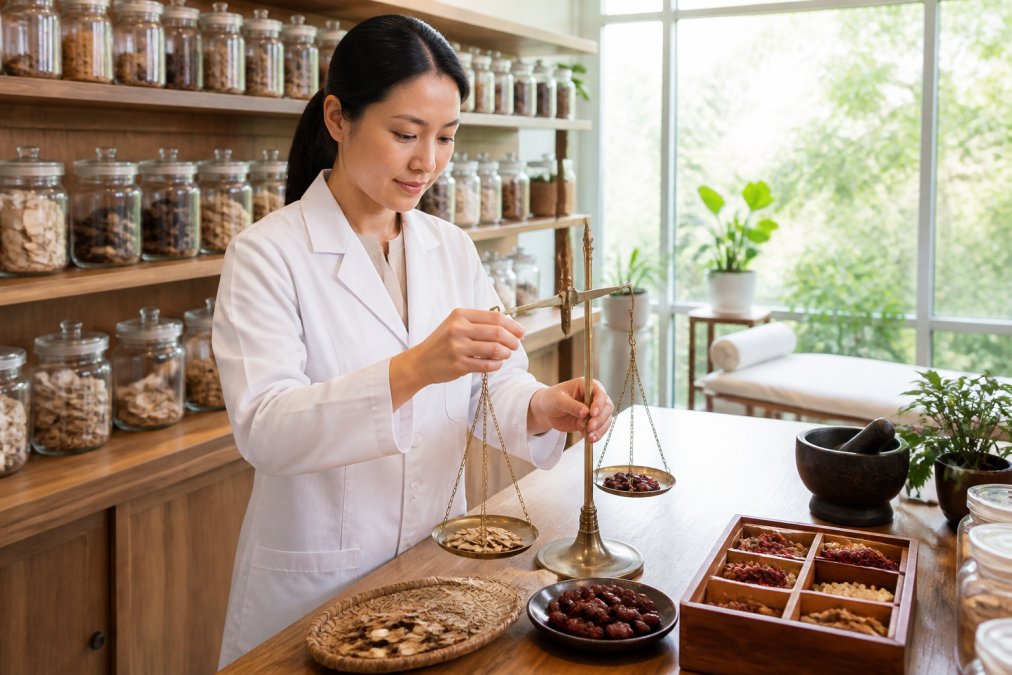
What Herbal Medicine Is (and What It Is Not)
Herbal medicine is a plant-based therapy that uses whole plant material or standardised extracts, prescribed for a specific person rather than a specific diagnosis. It is not a replacement for emergency care, surgery, or antibiotics when those are indicated. It is also not a single product you buy once; good practice means review, adjustment and honest reassessment at set intervals.
The Evidence-Based Approach to Plant-Based Therapy
An evidence-based approach means matching the herb to the strength of the research behind it, not to tradition alone. Some plants have solid clinical trial support for particular uses; others rest mostly on traditional use and small studies. A responsible practitioner will tell you which category your formula falls into. The Therapeutic Goods Administration’s guidance on complementary medicines sets out how these products are regulated here, and it is worth reading before you buy anything online.
Ask any practitioner which herbs in your formula have human trial evidence for your concern, and which are included on traditional grounds. The answer tells you more about their training than any certificate on the wall.
Benefits of Herbal Medicine for Immunity
The best-supported benefits of herbal medicine for immunity relate to supporting normal immune function rather than “boosting” it. The immune system is a balance, not a dial, and pushing it harder is not automatically helpful. What many people actually need is sleep, stress regulation and adequate nutrition, with herbs playing a supporting role.
How Immune-Support Herbs Are Thought to Work
Most immune herbs are not direct antimicrobials. They act on the body’s own signalling:
- Modulating cytokine response, several plants appear to influence how immune cells communicate during an acute challenge, rather than stimulating them indiscriminately.
- Supporting mucosal barriers, the first line of defence in the nose, throat and gut, where many respiratory viruses land.
- Antioxidant and adaptogenic activity, reducing the oxidative load that accumulates with poor sleep, chronic stress or overtraining.
Herbs Traditionally Used for Immune Support
Several plants appear repeatedly in both traditional and modern use. The table below grades the evidence honestly and flags the quality markers that matter when you buy.
| Herb | Traditional Use | Evidence Strength | Key Caution | What to Look For on the Label |
|---|---|---|---|---|
| Echinacea | Early cold symptoms | Moderate | Allergy to daisy family | Standardised to alkamides or cichoric acid |
| Elderberry | Respiratory support | Moderate | Avoid raw berries; cook or use standardised syrup | Standardised extract, not raw berry powder |
| Astragalus | Long-term vitality | Limited human trials | Autoimmune conditions; immunosuppressants | Root decoction or standardised extract |
| Andrographis | Acute cold support | Moderate | Gastrointestinal upset at high doses | Standardised to andrographolide |
| Garlic | General immune support | Moderate | Blood-thinning medication; stop before surgery | Aged garlic extract or standardised allicin yield |
What the Evidence Actually Shows
A common pattern in the research is that these herbs are studied for duration and severity of symptoms, not for preventing infection. That distinction matters when a product claims to “stop colds in their tracks.” A fair expectation is a shorter, milder episode, not immunity to the virus.
Quality Is the Variable Most People Ignore
Two echinacea products on the same shelf can differ enormously in what they actually contain. Species, plant part (root vs aerial), harvest time and extraction method all change the active profile. A product standardised to a named compound gives you a reproducible dose; a loose dried herb does not. If a label does not state the species and the standardisation, treat the evidence for that herb as not applying to that bottle.
Immune support from herbs is real but modest, and it depends far more on product quality than on the size of the dose. Buy standardised, buy from a supplier that tests for heavy metals and pesticides, and pair it with the basics, sleep, protein, and stress management.
How Long Does Herbal Medicine Take to Work?
Most people notice something within two to four weeks for acute concerns such as a cold or a short-term sleep problem, and six to twelve weeks for chronic conditions such as hormonal imbalance or persistent digestive issues. That range is wide because it depends on the person, the condition and the formula.
Factors That Affect How Quickly You See Results
Four things drive the timeline more than anything else:
- How long you have had the problem. A two-week cough resolves faster than ten years of irregular cycles.
- Dose and format. A standardised extract delivers a consistent amount; a loose tea does not.
- Absorption. Digestive health affects how much of the active compound your body actually uses.
- Consistency. Herbs taken sporadically rarely produce a clear result either way.
Stopping a formula after five days because “nothing happened” is the most common mistake we see. It also makes the next prescription harder, because there is no usable information about what did or did not work.
Safety and Regulation of Herbal Medicine in Australia
Safety and regulation of herbal medicine in Australia is handled through the Therapeutic Goods Administration, which lists most complementary medicines on the Australian Register of Therapeutic Goods (ARTG) rather than evaluating them for efficacy the way it does prescription drugs. That distinction matters. Listed medicines must meet quality and safety standards, but a listing is not proof the product works.
How to Read a Label Like a Practitioner
Three things separate a well-made product from a cheap one: (Source: evidence-based approach to herbal medicine)
- AUST L or AUST R number. An AUST L number means the product is listed; an AUST R means it is registered and has been assessed for efficacy. Most herbs are listed.
- Standardisation. A named active compound with a stated amount (for example, “standardised to 5% andrographolide”) means every batch delivers a predictable dose.
- Sponsor details. The Australian sponsor is legally responsible for the product. If you cannot find one, walk away.
Sourcing and Quality Control
This is where most consumer guides stop short. Ask any supplier three questions:
- Where were the herbs grown or wild-harvested? Country of origin affects both quality and the risk of contamination.
- Is there a certificate of analysis for each batch? This is the lab report showing heavy metals, pesticides, microbial load and identity testing.
- Is the dispensary GMP-certified? Good Manufacturing Practice certification means the facility is audited against a recognised standard, not self-declared.
Drug-Herb Interactions and Contraindications
Drug-herb interactions are real and under-reported. A few that come up regularly in clinic:
- St John’s wort reduces the effectiveness of several prescription medicines, including some contraceptives and antidepressants.
- Ginkgo and high-dose garlic may increase bleeding risk alongside anticoagulants.
- Liquorice root can raise blood pressure with prolonged use.
- Grapefruit and some herbal extracts affect the same liver enzymes that metabolise many prescription drugs.
Integrating Herbal Medicine with Conventional Care
Integrative medicine means herbs and conventional treatment working alongside each other, with both practitioners informed. A practical framework:
- Disclose everything. Give your GP and specialist a written list, including doses and brands.
- Stagger timing where advised. Some interactions are about absorption, not pharmacology, and separating doses by two hours can reduce them.
- Pause before surgery. Many herbs affect bleeding or blood pressure; most surgeons ask for a two-week stop.
- Never stop prescribed medication to “let the herbs work.” If a practitioner suggests this, leave.
NPS MedicineWise information on complementary medicines
Therapeutic Goods Administration’s guidance on complementary medicines
A listing on the ARTG is not an endorsement of efficacy. It confirms the product meets quality and safety standards, nothing more. Treat any marketing that implies otherwise with caution.
Personalising Herbal Treatment: Bio-Individuality and Sourcing
Two people with the same diagnosis often need different formulas, because bio-individuality, the idea that genetics, digestion, stress load and medication all change how a person responds, is central to good herbal prescribing. A formula that transformed one person’s sleep may do nothing for yours. This is why we do not sell off-the-shelf blends at Acupuncture; each prescription is built for one patient and reviewed at follow-up.
The two questions that separate a careful practitioner from a careless one: “How will we know if this is working?” and “Where were these herbs tested?” Both should have a specific answer.
Integrating Herbal Medicine with Conventional Care
Integrative medicine means herbs and conventional treatment working alongside each other, with both practitioners informed. For fertility support, for example, herbal treatment is often used to support general wellbeing and stress regulation while medical treatment continues unchanged. That is the appropriate role. Where a condition needs surgery, antibiotics or urgent assessment, herbs wait.
Conclusion: Making an Informed Choice
Choosing herbal treatment well comes down to evidence, transparency and honesty about limits. A good practitioner explains what is well supported, what is not, and how long a fair trial should take. At Acupuncture, our team brings over 35 years of clinical experience, a PICS GMP-certified herbal dispensary, and personalised treatment plans with no rushed sessions. Book Now to discuss whether herbal medicine suits your situation.
Frequently Asked Questions
What are the benefits of using herbal treatments?
Herbal medicine treatment is used to support general vitality and wellbeing, manage stress, support immune function, and assist with digestive comfort. Many people seek herbal medicine for chronic conditions, hormonal balance, or as part of an integrative approach alongside conventional care. The therapeutic use of herbs is based on traditional medicine and, increasingly, on pharmacology research into bioactive compounds. Individual results vary, and herbal medicine is not a replacement for medical diagnosis or treatment.
How long does herbal medicine take to work?
How long herbal medicine takes to work depends on the condition, the herb, the dosage, and your individual response. Some people notice subtle changes in sleep, digestion, or energy within one to two weeks, while chronic conditions may require several weeks to months of consistent use. A qualified practitioner can give you a realistic timeframe based on your health history and treatment plan.
Do herbal medicines actually work?
Some herbal medicines have evidence from clinical studies supporting their use for specific conditions, while others rely more on traditional use. For example, certain herbs have been studied for immune function, stress regulation, and gastrointestinal disorders. However, evidence varies by herb and condition. Working with a qualified practitioner helps ensure you use herbs with a reasonable evidence base and appropriate dosage.
Are there safety considerations when using herbal medicines alongside conventional care?
Yes. Herbal medicines can interact with prescription drugs, affect blood clotting, or cause adverse effects. Always tell your doctor and pharmacist about any herbs you take. In Australia, herbal medicines are regulated by the Therapeutic Goods Administration (TGA), but quality and standardisation vary. A qualified herbal practitioner can help you manage drug-herb interactions and contraindications safely.
What should I consider when choosing a qualified herbal medicine practitioner?
Look for a practitioner with formal qualifications in herbal medicine, registration with a professional association, and experience in your area of concern. Ask about their approach to personalisation, how they source herbs, and whether they work with your other healthcare providers. In Australia, practitioners may be registered with bodies such as the Australian Health Practitioner Regulation Agency (AHPRA) if they are also medical doctors, but herbalists typically belong to professional associations.
How does herbal medicine support the body’s natural healing processes?
Herbal medicine uses plant-based therapy with bioactive compounds that may support immune function, reduce inflammation, and promote stress regulation. These actions can help create an environment where the body’s own repair mechanisms work more effectively. However, herbal medicine is not a cure-all and should be used as part of a holistic approach that includes diet, lifestyle, and conventional care when needed.


