
Table of Contents
- Understanding Stress Relief: Immediate vs Long-Term Recovery
- How Long Stress Recovery Time Actually Takes
- Stress Relief Techniques That Work at Different Stages
- Acupuncture for Stress Relief and Recovery Support
- How to Manage Chronic Stress During Recovery
- Factors That Affect Your Personal Recovery Timeline
- Measuring Progress and Recognising Signs of Improvement
- Frequently Asked Questions
Understanding Stress Relief: Immediate vs Long-Term Recovery
Stress relief takes different forms depending on whether you’re dealing with acute or chronic stress, it unfolds differently for each. When a stressful event hits, your body activates its stress response, and recovery can range from minutes to months.
Acute stress and rapid relief
Acute stress is temporary, triggered by a specific event, a work deadline, a difficult conversation, or a sudden change. Relief can happen quickly: many people notice improvements within hours or minutes of removing the stressor or using calming techniques.
Chronic stress and extended recovery
Chronic stress is ongoing tension from work, relationships, finances, or health concerns persisting over weeks, months, or years, keeping your nervous system partially activated. Recovery takes considerably longer, typically weeks to months of consistent practice, depending on how long the stress lasted, its severity, and how well you address underlying causes.
How Long Stress Recovery Time Actually Takes
Realistic timelines help you stay committed. Here’s a practical, time-based plan separating immediate relief from longer-term recovery.
First minutes: immediate relief after a stress spike
When stress is acute, interrupt the stress response quickly with these actions:
- Slow your breathing. Inhale for four counts, hold for four, exhale for six. A longer exhale helps activate the parasympathetic nervous system; most people feel calmer within two to five minutes.
- Move briefly. A five-minute walk, a few stretches, or shaking out your hands and shoulders helps discharge stress energy.
- Ground yourself. Name five things you can see, four you can touch, three you can hear, two you can smell, and one you can taste.
These techniques are for acute stress or stress spikes, not a cure for chronic stress, but essential tools.
First day: settling the nervous system
In the hours after an acute stressor, physical symptoms like elevated heart rate and muscle tension often ease, and many people feel noticeably better within 24 hours of removing the stressor. If stress has been chronic, the first few days show minimal change, focus on basics: eat regularly, drink water, avoid excess caffeine and alcohol, and protect your sleep.
First weeks: building the foundation
For chronic stress, meaningful progress typically appears over weeks. After two to four weeks of consistent practice, people often notice better sleep, reduced muscle tension, improved mood, clearer thinking, and more energy. Establish one or two daily habits you can sustain: a short breathing or meditation practice, a regular walk, and a consistent bedtime.
Months two to three: deeper shifts
Months two through three often bring deeper changes: your nervous system gradually learns to stay calmer, intense stress responses become more manageable, and resilience builds. This assumes you are actively addressing stress through lifestyle changes, professional support, or therapeutic practices, without consistent action, recovery stalls.
Three to six months: consolidation
By three to six months of sustained effort, most people experience significant recovery, though some need longer, especially if the stress was severe or long-standing. The goal is steady improvement, not a deadline.
How to measure progress without a fixed timeline
Progress isn’t always obvious. Track specific changes in a notebook or phone notes, rating each area weekly on a scale of one to ten:
| Change area | What to track | How often |
|---|---|---|
| Sleep | Bedtime, wake time, quality rating (1-10) | Weekly |
| Mood | Energy level, irritability, emotional stability | Daily or weekly |
| Physical tension | Neck, shoulders, jaw tightness | Weekly |
| Stress response | How quickly you calm after a trigger | Ongoing |
| Concentration | Focus duration, mental clarity | Weekly |
| Resilience | How stress affects your day | Weekly |
Over four to eight weeks, patterns emerge and you’ll see improvement even if daily life feels the same. If nothing changes after four weeks of consistent effort, it may be time to seek professional support.
When symptoms may indicate another condition
Persistent or severe symptoms can overlap with other conditions. Seek assessment if you experience:
- Low mood or loss of interest most days for more than two weeks
- Sleep problems that don’t improve with routine changes
- Persistent anxiety or worry that interferes with daily life
This isn’t about diagnosing yourself, it’s about recognising when a professional assessment may help rule out conditions such as anxiety, depression, burnout, or a physical health issue.
Recovery from acute stress can happen in minutes to hours. Recovery from chronic stress typically takes weeks to months of consistent effort. Use the first minutes for quick relief, the first weeks to build habits, and track your progress weekly rather than waiting for a single deadline.
Stress Relief Techniques That Work at Different Stages
Different approaches suit different recovery phases. Early relief requires quick techniques. Sustained recovery needs deeper practices.
Quick techniques for immediate relief
When you need stress relief, take something fast, acute stress requires quick techniques. These techniques work within minutes:
- Breathing exercises. Slow, deep breathing activates your parasympathetic nervous system. Try four counts in, hold for four, out for four; most people feel calmer within two to five minutes.
- Progressive muscle relaxation. Tense and release muscle groups from feet to head, about 10 minutes, noticeably reducing physical tension.
- Brief movement. A five-minute walk, stretching, or gentle movement shifts your nervous system state.
These work best for acute stress or stress spikes, not sufficient for chronic stress recovery, but essential tools.
Practices for sustained recovery
Chronic stress requires daily commitment. These practices build resilience over weeks and months:
- Regular meditation or mindfulness. Even 10 minutes daily trains your nervous system to stay calmer. Most people notice shifts after two to four weeks.
- Consistent exercise. Physical activity reduces stress hormones and improves mood. Three to five sessions weekly shows measurable benefit within three weeks.
- Sleep prioritisation. Seven to nine hours nightly allows your nervous system to reset. Improvements often appear within one to two weeks of a consistent bedtime routine.
Acupuncture is sometimes used as part of this sustained approach. Some people report shifts in stress levels and sleep within two to four weeks of regular sessions.
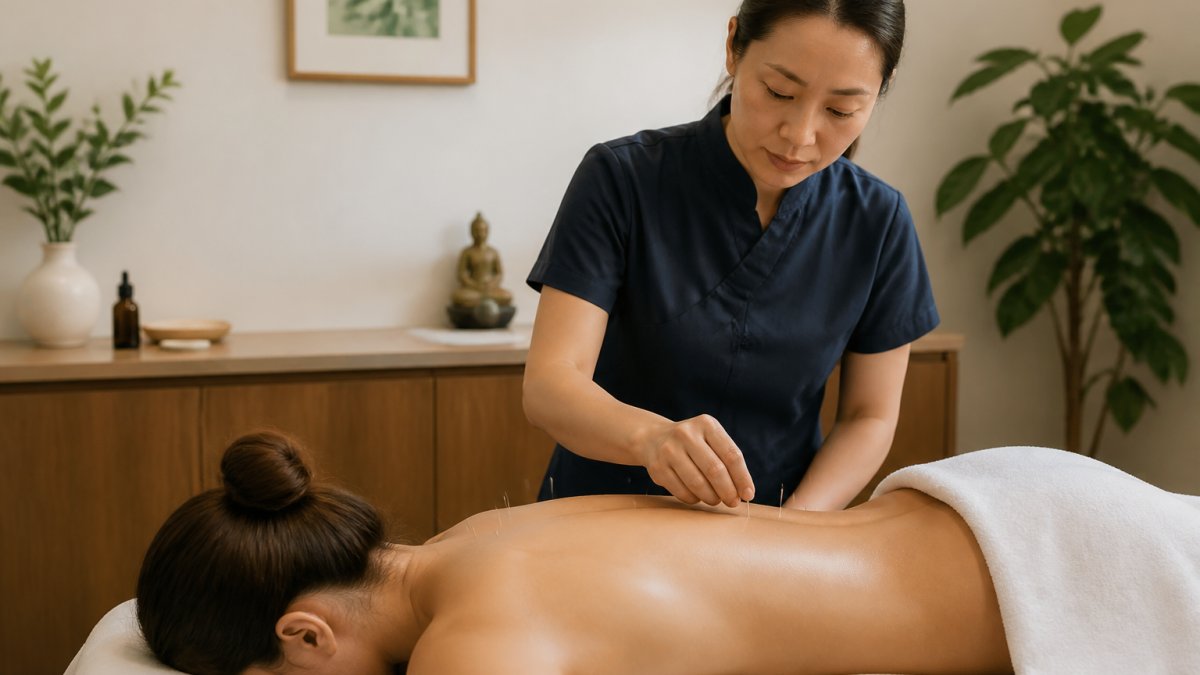
Acupuncture for Stress Relief and Recovery Support
Acupuncture is sometimes used as part of a broader approach to stress management. It is not a cure for stress or any medical condition, and evidence for its effects varies. Here’s what it involves and what the research suggests.
How acupuncture is proposed to work
Acupuncture involves inserting fine, sterile needles at specific points. In traditional practice, points are chosen to influence energy flow; from a modern perspective, needling may stimulate nerves, muscles, and connective tissue, which some research suggests can influence the nervous system and pain signalling.
What the evidence says, and what it does not
Research on acupuncture for stress is mixed. Some studies suggest benefits for chronic pain and tension-type headaches, while evidence for stress reduction specifically is less consistent.
Acupuncture should not be presented as a proven cure for stress or any disease.
Realistic timeline for noticing changes
Some people report feeling more relaxed after a session, and others notice better sleep that night. More substantial changes, if they occur, are typically reported after several weeks of regular sessions. Because evidence is mixed, there’s no reliable fixed timeline, some people experience little or no change.
Safety, risks, and interactions
Acupuncture is generally considered safe when performed by a qualified practitioner using sterile, single-use needles. Common side effects include minor bruising or soreness at needle sites; serious complications are rare but can include infection or injury if performed incorrectly.
How acupuncture fits into a broader plan
Acupuncture may be used alongside other stress-management strategies such as regular movement, sleep prioritisation, breathing practices, and professional mental health support. It is not a replacement for addressing the underlying causes of stress or for evidence-based treatment of medical conditions.
Acupuncture is not a proven treatment for stress, anxiety, depression, or any other medical condition. Evidence is mixed, and effects vary. It should not replace advice from a qualified health professional or evidence-based treatment.
How to Manage Chronic Stress During Recovery
Recovery from chronic stress requires addressing both immediate symptoms and underlying causes.
Identifying your stress triggers
You can’t manage stress effectively without understanding what causes it. Notice patterns: when does stress spike during your week, which situations trigger tension, and which relationships or environments drain your energy? Write these down, once you see the patterns you can set boundaries, adjust schedules, or seek support.
Building sustainable daily habits
Recovery sticks when it becomes routine. Commit to one or two daily practices:
- Morning breathing or meditation (five to ten minutes)
- Evening movement or stretching (ten to fifteen minutes)
- Regular sleep schedule (same bedtime and wake time)
A ten-minute daily practice outperforms a three-hour weekend session for nervous system regulation. We work with you to build a treatment plan that fits your life, with regular sessions during recovery providing consistent support while you implement other lifestyle changes.
Factors That Affect Your Personal Recovery Timeline
Not everyone recovers at the same pace. Several factors influence how quickly you’ll notice improvement.
Stress duration and severity
Someone stressed for two weeks recovers faster than someone stressed for two years.
Severe stress (trauma, major life disruption) requires longer recovery than mild stress. The deeper the nervous system imprint, the more time needed to shift it.
Sleep quality and rest patterns
Sleep is where nervous system recovery happens. Poor sleep extends recovery time significantly, if you’re stressed and not sleeping well, you’re working against yourself. Even one week of better sleep can shift your stress baseline.
Physical activity and lifestyle changes
Your body holds stress as tension, elevated hormones, and reduced immune function. Regular movement helps discharge stress energy and regulate hormones, and people who exercise consistently recover faster than sedentary people. Even moderate activity like walking, yoga, or swimming produces measurable stress-reduction benefits within two to three weeks.
Measuring Progress and Recognising Signs of Improvement
Progress isn’t always obvious. Tracking specific changes helps you see what’s shifting.
Tracking emotional and physical changes
Notice these markers:
| Change Area | What to Track | Timeline |
|---|---|---|
| Sleep | Bedtime, wake time, quality rating (1-10) | Weekly |
| Mood | Energy level, irritability, emotional stability | Daily or weekly |
| Physical tension | Neck, shoulders, jaw tightness | Weekly |
| Stress response | How quickly you calm after a trigger | Ongoing |
| Concentration | Focus duration, mental clarity | Weekly |
| Resilience | How stress affects your day | Weekly |
Use a simple notebook or phone notes. Rate each area on a scale of one to ten weekly. Over four to eight weeks, patterns emerge. You’ll see improvement even if daily life feels the same.
When to seek professional support
Recovery sometimes needs help. Consider professional support if:
- You’ve tried stress-management techniques for four weeks with no improvement
- Stress is affecting your work, relationships, or health
- You’re experiencing persistent anxiety, depression, or sleep problems
A qualified professional, a counsellor, therapist, or clinical acupuncturist, can assess your situation and create a personalised plan. Our practitioners combine 40 years of clinical experience with a thorough diagnostic approach, identifying what’s driving your stress and addressing root causes, not just symptoms.
Frequently Asked Questions
How long does it take to get rid of stress symptoms?
This depends on whether your stress is acute or chronic. Acute stress can improve within hours to a few days with proper relief techniques like breathing exercises or rest. Chronic stress typically requires weeks to months of sustained effort. Many people notice their first improvements in sleep quality and mood within 2-3 weeks of consistent stress management, though full recovery may take 2-4 months or longer. Your timeline depends on stress duration, severity, and which recovery methods you use.
What are the most effective stress relief techniques for immediate relief?
Breathing exercises, particularly slow, deep breathing, can calm your nervous system within minutes. Progressive muscle relaxation, short walks, and mental breaks of 5-10 minutes also provide rapid relief. For longer-term support, consistent practices like meditation, regular physical activity, and adequate sleep build resilience over weeks. Acupuncture for stress relief complements these approaches by supporting your body’s natural relaxation response and helping restore balance when combined with daily habits.
Can stress relief techniques work straight away, or do they take time?
Some techniques work immediately: deep breathing, brief meditation, or a short walk can reduce tension within minutes. However, lasting recovery from chronic stress requires consistent effort over weeks and months. Think of immediate relief as stopping the acute symptom, while true recovery rebuilds your resilience and restores emotional well-being. For sustained improvement, combining quick techniques with longer-term practices like regular exercise, improved sleep, and professional support yields the best results.
How can I tell if my stress is improving, and when should I seek professional help?
Signs of improvement include better sleep quality, improved concentration, reduced physical tension, and more stable mood. Track these changes over 2-3 weeks to recognise progress. If stress symptoms persist despite your efforts, interfere with work or relationships, or if you experience persistent anxiety or low mood, consulting a healthcare professional is important. A qualified practitioner can assess your situation, rule out other conditions, and recommend personalised support tailored to your needs.
Stress relief takes time, but it’s entirely achievable with the right approach. Whether your stress is acute or chronic, understanding realistic timelines keeps you committed. Acupuncture supports your nervous system’s natural recovery by regulating stress responses and improving sleep quality, two factors that speed overall healing. Book a consultation with our team to discuss how we can support your stress recovery journey with precise, low-pain treatment tailored to your needs.


