
Table of Contents
- Understanding Your Chronic Pain Management Plan
- Preparing for Your First Appointment
- Working with Your GP to Create a Chronic Pain Management Plan with GP
- Using a Pain Diary Template to Track Your Progress
- Setting Chronic Pain Goals and Action Plan
- Coordinating Allied Health and Complementary Services
- Reviewing a Chronic Pain Management Plan
- Managing Flare-Ups and Adjusting Your Plan
- Frequently Asked Questions
Last Updated: October 15, 2026
Understanding Your Chronic Pain Management Plan
A chronic pain management plan is a personalised strategy developed between you and your GP to manage ongoing pain and improve quality of life. It combines medical care, self-management strategies, and allied health support to address both the physical and emotional aspects of chronic pain. (Source: The Royal Australian College of General Practitioners (RACGP))
Unlike acute pain, which appears suddenly and usually resolves, chronic pain persists for weeks, months, or years, affecting how you move, work, sleep, and relate to others (RACGP).
Your GP coordinates your care, monitors progress, and adjusts your approach. The plan typically includes your goals, actions you’ll take, and services from physiotherapists, psychologists, or other health professionals.
At Acupuncture, we’ve supported many patients in developing pain management plans that blend traditional approaches with complementary therapies.
Preparing for Your First Appointment
Preparing for your first appointment makes the conversation more productive. Your GP will ask about your pain, health history, and priorities, so arriving prepared means you’ll use the time effectively.
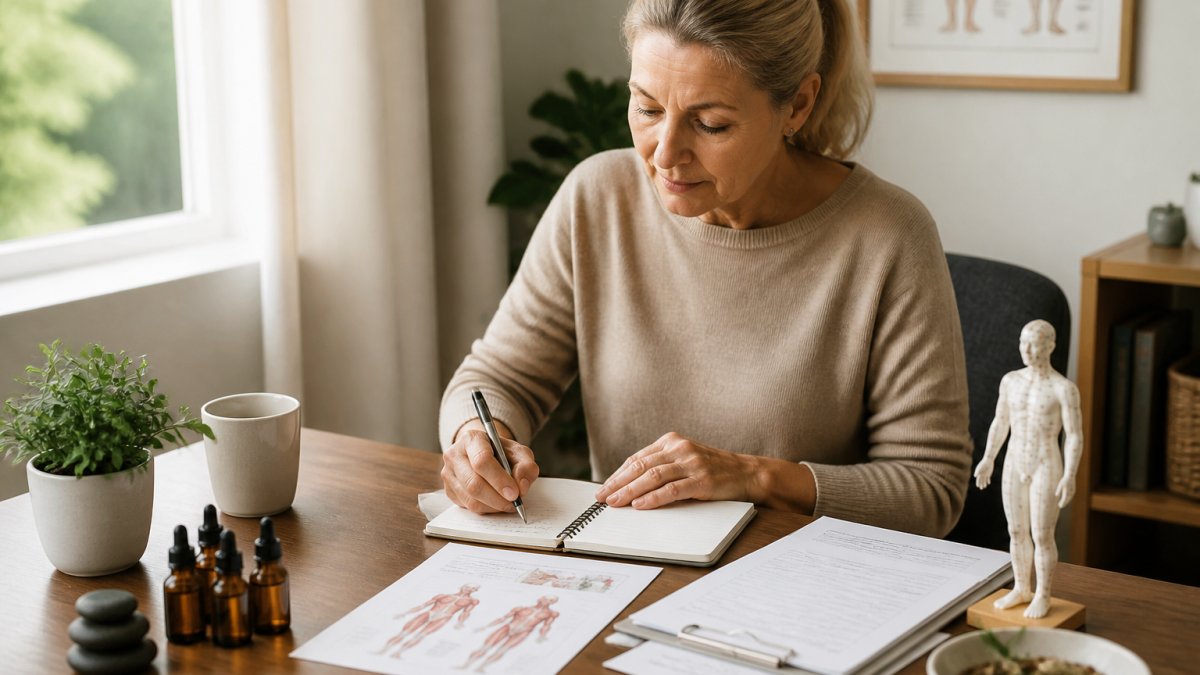
Gather Your Health History
Start by collecting information about your medical background. Write down:
- Any diagnoses you’ve received
- Medications you currently take (include doses and how often)
- Previous treatments you’ve tried for pain
Bring recent test results, imaging reports, or letters from other doctors, and ask specialists or physiotherapists for copies of their notes. This helps your GP understand your situation without repeating tests and create a plan that fits your life. Consolidating these records provides a clear foundation for virtual doctor consultations that can bridge the gaps in your ongoing care.
Document Your Pain Pattern
Before your appointment, spend a few days noting:
- When pain is worst (morning, evening, after activity)
- What activities make it better or worse
- How pain affects sleep, work, or daily tasks
Simple observations help your GP ask better questions and understand your needs.
A Practical Appointment Checklist
Use this checklist in the week before your visit:
- One-page summary: main pain sites, how long you’ve had pain, and your top three frustrations.
- Medication list: names, doses, timing, and what you’ve stopped taking and why.
- Treatment history: what you’ve tried and whether it helped, partly helped, or didn’t help.
Ask your GP whether you’re eligible for a chronic condition management plan and what it covers. Eligibility and rebates change over time, so confirm current rules with your GP or the relevant health authority rather than relying on older information.
Questions Worth Asking
Bring a short list like this:
- What might be contributing to my pain, and what can we reasonably investigate?
- Which treatments have the best evidence for my situation?
- What can I do myself between appointments?
Access, Cost, and Regional Differences
Access to allied health and pain services varies by location, and out-of-pocket costs depend on your circumstances, your GP’s billing approach, and private health cover. Ask your GP’s practice about fees, bulk-billing, and rebates, and if you live regionally, ask about telehealth options.
Rebates, eligibility rules, and service availability change. Always confirm current details with your GP, your health fund, or the relevant health authority before making decisions based on cost.
Working with Your GP to Create a Chronic Pain Management Plan with GP
Your GP leads the development of your chronic pain management plan with GP.
During the appointment, expect to discuss:
- How pain affects your daily life and what matters most
- What you’ve tried and what helped
- Your treatment preferences (medicines, therapy, exercise, complementary approaches)
- Realistic goals for the next 3-6 months
Your GP may refer you to a physiotherapist, psychologist, or other specialists, coordinating these services so everyone works toward the same goals.
Be honest about what you’re willing to do, a plan that fits your life is one you’ll follow. If you’d rather avoid certain treatments, say so and your GP can suggest alternatives.
Using a Pain Diary Template to Track Your Progress
A pain diary template turns daily observations into useful data, revealing patterns and helping you and your GP decide whether your plan is working.
A simple diary tracks:
| Date | Pain Level (0-10) | Activity | Sleep Quality | Mood | Notes |
|---|---|---|---|---|---|
| Mon 20 Oct | 6 | Desk work 8 hours | Poor | Frustrated | Stiff by afternoon |
| Tue 21 Oct | 5 | 20-min walk + stretching | Better | Calm | Less pain after movement |
| Wed 22 Oct | 7 | Gardening 2 hours | Disrupted | Tired | Overdid it |
Record pain from 0 (none) to 10 (worst ever), plus your activity, sleep, and mood. Over weeks, patterns emerge, many people find certain activities, stress levels, or sleep patterns directly affect their pain, letting them make small changes that add up.
Setting Chronic Pain Goals and Action Plan
Goals give your plan direction. Without them, you’re managing pain without knowing what success looks like.
Define Realistic, Measurable Goals
Start with what matters most. Do you want to return to work or hobbies, sleep through the night, walk without pain, reduce medicine use, or feel less anxious? Pick 2-3 specific, measurable goals for the next 3 months.
GOOD goals:
- “Walk 15 minutes without stopping by December”
- “Sleep 6 hours straight, 4 nights per week by November”
- “Return to gardening for 1 hour without increased pain by December”
VAGUE goals:
- “Feel better”
- “Manage my pain”
- “Get stronger”
Each goal should feel challenging but possible. If a goal feels too hard, break it into smaller steps.
Identify Actions for You and Your Care Team
For each goal, write down the actions needed, some are yours, others belong to your care team.
Your actions might include:
- Do prescribed exercises 5 days per week
- Keep a pain diary
- Attend physiotherapy appointments
- Practice relaxation or breathing techniques
Your care team’s actions might include:
- Physiotherapist: teach safe movement and progress your exercises
- GP: review progress and adjust treatment if needed
- Psychologist: help manage pain-related anxiety or develop coping strategies
When you know exactly what to do, you’re more likely to do it.
Coordinating Allied Health and Complementary Services
A chronic pain management plan often involves multiple professionals working together, preventing conflicting advice and ensuring everyone supports your goals.
Common allied health services include:
- Physiotherapy: exercises, movement retraining, and physical strategies
- Psychology: managing thoughts and emotions related to pain
- Occupational therapy: adapting your home or work to reduce pain triggers
- Acupuncture: traditional Chinese medicine approaches to pain and wellbeing
Your GP coordinates referrals. Ask them which services fit your goals and whether your health fund covers them.
How Referrals Usually Work
In most cases, your GP writes a referral or management plan naming the allied health professionals you’ll see, setting out your goals and covered sessions. Ask your GP:
- Which professionals are included in my plan?
- How many sessions am I entitled to, and over what period?
- Do I need a new referral for each provider?
- What happens when my sessions run out?
Sharing Information Between Providers
When seeing multiple professionals, share your pain diary and goals with each one and tell them what other treatments you’re using. To keep everyone aligned:
- Keep one master copy of your goals and current treatments.
- Bring it to every appointment.
- Ask each provider to note their advice in the same document or app.
- At reviews, ask your GP to summarise what’s changed.
Coordination works best when every provider sees the same goals and the same record of what you’ve tried. Without it, you can end up with overlapping or conflicting advice.
Comparing Treatment Approaches
Different approaches target different aspects of pain:
- Physical approaches (physiotherapy, graded activity, pacing) aim to improve function and reduce sensitivity over time.
- Psychological approaches (cognitive behavioural strategies, relaxation, acceptance-based work) aim to change how pain is processed and how it affects daily life.
- Medication may reduce pain intensity for some people, but effects vary and should be reviewed regularly with your GP.
- Complementary approaches such as acupuncture or massage may help some people manage symptoms alongside other care. Evidence varies, and they work best as part of a broader plan rather than as a standalone solution.
Discuss the trade-offs with your GP, including realistic benefits, how long before you might notice a change, and alternatives if an approach doesn’t help.
Keeping Costs Manageable
Costs depend on your circumstances, your GP’s billing approach, and private health cover. Before committing to treatment:
- Ask each provider about fees and cancellation policies.
- Check whether your health fund covers the service and what gap you’d pay.
- Ask your GP whether any sessions are covered under a management plan.
- Prioritise services most likely to help you reach your goals.
Fees, rebates, and coverage rules change. Confirm current details with each provider and your health fund before starting treatment.
Reviewing a Chronic Pain Management Plan
Your chronic pain management plan isn’t set in stone, regular reviews ensure it’s working and adjust it when needed.
Most GPs schedule a review 4-6 weeks after starting your plan. At that appointment, discuss:
- Have you made progress toward your goals?
- Which actions have been easiest or hardest?
- Has your pain changed?
- Do any treatments need adjusting?
Bring your pain diary, the data shows whether changes are helping or whether you need a different approach.
If something isn’t working, say so, your GP can suggest alternatives. Pain management is trial and learning, and what works for one person may not work for another.
Managing Flare-Ups and Adjusting Your Plan
Even with a solid plan, pain sometimes flares up, a temporary increase often triggered by overactivity, stress, or weather changes.
When a flare happens:
- Don’t panic. It’s temporary and doesn’t mean your plan has failed.
- Return to basics: rest, ice or heat, gentle movement, relaxation.
- Use your pain diary to identify what triggered it.
- Contact your GP if the flare is severe or lasts more than a few days.
Many people find flares become less frequent and intense over time as they learn what triggers them and how to respond.
After a flare, adjust your plan slightly, shorter sessions with more breaks if gardening caused it, or added relaxation techniques if stress triggered it.
Your GP and care team are partners in this process and can suggest strategies that work.
Frequently Asked Questions
What should be included in a chronic pain management plan?
A comprehensive chronic pain management plan typically includes your health history, pain description and location, realistic goals for function and quality of life, treatment options (such as exercise, therapies, or complementary approaches), actions for both you and your care team, a review schedule, and strategies for managing flare-ups. Your GP will work with you to tailor each element to your specific needs and circumstances.
How do I prepare for my first chronic pain management appointment with my GP?
Before your appointment, gather your medical history, current medications, and any previous treatments you’ve tried. Write down when your pain started, what makes it worse or better, and how it affects your daily activities. Consider what outcomes matter most to you, whether that’s returning to work, sleeping better, or reducing medication. Bring a list of questions and any relevant test results. This preparation helps your GP understand your situation fully and create a more effective plan.
How often should I review my chronic pain management plan?
Your chronic pain management plan should be reviewed regularly, typically every 3-6 months or sooner if your pain changes significantly. During reviews, you and your GP assess whether your goals are being met, whether your current treatments are working, and whether adjustments are needed. If you experience a flare-up or your circumstances change, contact your GP to discuss modifying your plan. Regular reviews ensure your management approach stays aligned with your health needs.
Can complementary therapies like acupuncture be part of my chronic pain management plan?
Yes, many people include complementary therapies as part of a comprehensive chronic pain management plan. Discuss any therapies you’re considering with your GP or health professional so they can be coordinated with your overall care. Some complementary approaches, such as acupuncture, may support pain relief and improve function when combined with other strategies like exercise and self-management. Your care team can help ensure all treatments work together safely and effectively.
Starting a chronic pain management plan takes time and patience, but it shifts you from reacting to pain toward actively managing it. Your GP leads the process, but you’re the expert on your own body. Working together, you’ll build a plan that reduces pain’s impact on your life and helps you do what matters most. At Acupuncture, we support this journey by providing complementary therapies that work alongside your medical care, helping you achieve the goals you set with your GP.


