
Table of Contents
- Understanding Hormonal Imbalance: Signs and Symptoms
- Herbal Medicine for Hormonal Support: What Works
- Acupuncture for Endocrine Health: How It Supports Balance
- Lifestyle Changes for Hormone Regulation: A Practical Guide
- Hormone Testing and Diagnostics: What You Need to Know
- Interactions with Conventional Medication: Safety Considerations
- Age-Specific Hormonal Needs: Tailoring Your Approach
- Frequently Asked Questions
Last Updated: September 20, 2026
Understanding Hormonal Imbalance: Signs and Symptoms
Hormonal imbalance is a disruption to the normal production, circulation or clearance of hormones in the body, and it can affect mood, energy, sleep, weight and fertility. That gap between a lab result and lived experience is where natural relief for hormonal imbalance often begins.
Common Signs of Hormonal Fluctuations
Typical signs include irregular cycles, persistent fatigue, disturbed sleep, unexplained weight changes, low mood, irritability, hot flushes and reduced libido. Many people notice these symptoms cluster around major life stages such as perimenopause, postpartum recovery or periods of sustained stress.
When to Seek Professional Support
See your GP if symptoms are severe, sudden or include unexplained bleeding, significant weight loss or vision changes. For ongoing but less urgent concerns, a qualified practitioner can help you map triggers and build a plan. Registered Chinese medicine practitioners work alongside your medical team, not instead of it.
Herbal Medicine for Hormonal Support: What Works
Herbal medicine for hormonal support uses plant-based formulas to influence how the body regulates stress, blood sugar and reproductive hormones. It is not a quick fix, and it is not appropriate for everyone. What separates a useful herbal plan from a hopeful one is understanding how each herb is thought to act, what the evidence actually shows, and where the real safety risks sit.
Key Herbs and How They Are Traditionally Used
Several herbs have long histories in traditional Chinese medicine and Western herbal practice:
- Vitex (chaste tree), traditionally used for cyclical breast tenderness and irregular cycles. It is thought to act on the pituitary via dopaminergic pathways, which may indirectly influence prolactin and progesterone. Evidence is modest and mostly small trials.
- Dong quai, often included in formulas supporting menstrual regularity. It contains coumarin compounds, so it warrants caution alongside blood thinners.
- Licorice root, used in some blends for fatigue and digestive support, but it can raise blood pressure, lower potassium and interact with diuretics and blood pressure medication. Not suitable for people with hypertension.
- Ginseng, traditionally used for fatigue and stress resilience. It may interact with diabetes medication and stimulants, and can affect INR in people on warfarin.
- Peony, commonly paired with other herbs for cramping and mood swings. Often used in combination rather than alone.
- Black cohosh, widely used in Western herbal practice for hot flushes and night sweats. Evidence is mixed; rare cases of liver concerns have been reported, so liver health should be discussed first.
- Evening primrose oil, traditionally used for breast tenderness. Evidence for hormonal symptoms is limited, but it is generally well tolerated.
What the Evidence Actually Shows
Herbal research is uneven. Some herbs have small randomised trials behind them; others rest mainly on traditional use. A common pattern is that benefits are modest and most noticeable for symptom relief rather than for changing lab-measured hormone levels. That distinction matters: feeling better and shifting a blood result are not the same thing, and no herb should be positioned as a treatment for a diagnosed condition without medical oversight.
Safety and Interactions You Need to Know
Herbs are not automatically safe because they are natural. Some interact with thyroid medication, blood thinners, blood pressure drugs, diabetes medication and hormone therapies. A few practical rules:
- Tell every practitioner, GP, specialist, pharmacist and herbalist, about every prescription, over-the-counter medicine and supplement you take.
- Separate thyroid medication from herbal doses by at least four hours unless advised otherwise.
- Avoid concentrated herbal products if you are pregnant, breastfeeding, or have liver or kidney conditions, unless cleared by your treating doctor.
- Stop and seek advice if you notice new symptoms such as palpitations, unusual bleeding, yellowing of the eyes or skin, or a sudden change in blood pressure.
Self-prescribing concentrated herbal products from a pharmacy or online store can cause real harm. Some herbs affect liver function, blood pressure or how your body processes prescription drugs. Get a proper assessment before starting anything.
Working With a Qualified Practitioner
A registered Chinese medicine practitioner or qualified herbalist will take a full history, check for interactions, and adjust formulas as your symptoms change. Formulas are usually reviewed every four to six weeks rather than set once. If a practitioner does not ask about your medication list at the first appointment, raise it yourself, it is one of the most important safety checks in herbal care.
Acupuncture for Endocrine Health: How It Supports Balance
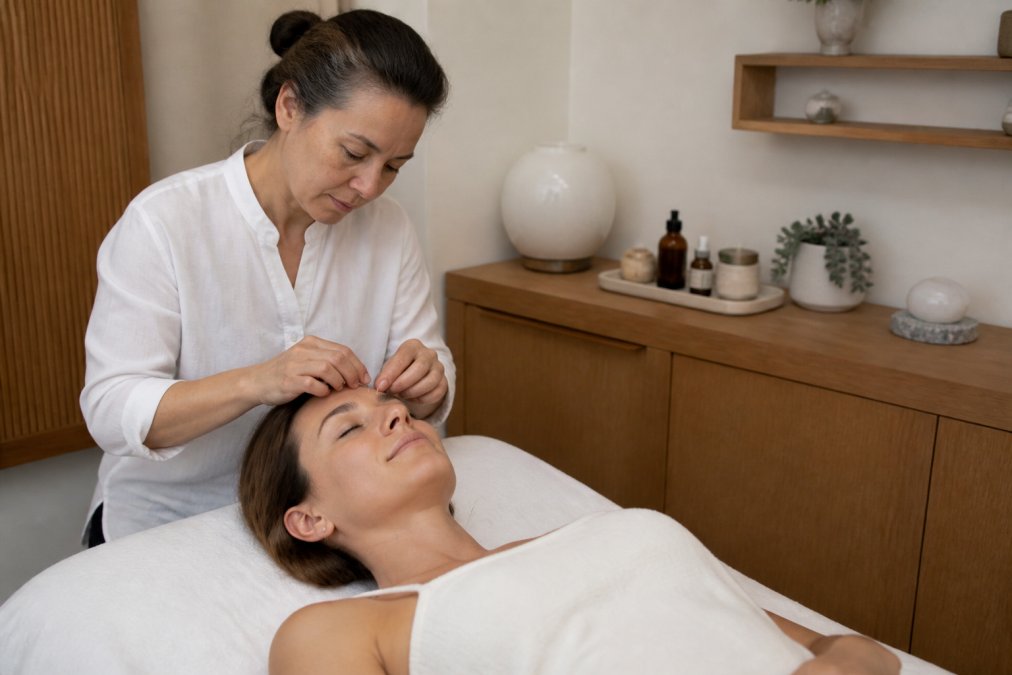
Acupuncture for endocrine health involves inserting fine, sterile needles at specific points to influence nerve signalling, blood flow and the body’s stress response. Research interest in this area continues to grow, though evidence varies by condition.
What to Expect During Treatment
Your first session usually includes a detailed history, pulse and tongue assessment, and a discussion of your goals. Needles are typically retained for 20 to 30 minutes. Most people describe the sensation as a mild ache or heaviness rather than sharp pain. A course of treatment is often recommended rather than a single visit, with frequency adjusted as your symptoms change.
Lifestyle Changes for Hormone Regulation: A Practical Guide
Lifestyle changes for hormone regulation form the foundation of any natural approach, because no treatment can outrun poor sleep, chronic stress and unstable blood sugar. These are the areas where small, consistent adjustments tend to produce the clearest results, but only if you understand the mechanisms behind them.
Dietary Adjustments That Support Balance
Focus on:
- Protein at every meal, aim for a palm-sized portion. Protein slows glucose absorption and provides the amino acids used to build hormones and neurotransmitters.
- Healthy fats such as olive oil, avocado, nuts and oily fish, these support fat-soluble vitamins and provide omega-3 fatty acids that influence inflammatory signalling.
- Fibre from vegetables, legumes and wholegrains, around 25 to 30 grams daily supports the gut microbiome and helps with estrogen clearance via the bowel.
- Low-glycemic index carbohydrates in place of refined sugars to reduce insulin spikes, which can disrupt sex hormone balance.
- Anti-inflammatory patterns rich in colourful vegetables and phytoestrogen-containing foods like flaxseed and soy.
- Alcohol and caffeine moderation, both can affect sleep architecture and hot flush frequency for some people. (Source: evidence for herbal medicine in women’s health)
Blood Sugar Stability: The Often-Overlooked Lever
Blood sugar swings drive cortisol release, and cortisol directly influences estrogen, progesterone and testosterone balance. A common pattern is a client who eats well overall but skips breakfast or relies on coffee until lunch, by mid-afternoon their energy crashes and cravings take over. Practical fixes:
- Eat within an hour or two of waking.
- Pair carbohydrates with protein or fat at every meal.
- Avoid going more than four to five waking hours without food if you are prone to afternoon crashes.
- Keep a glass of water handy, mild dehydration can mimic hunger and fatigue.
Stress Management and Sleep Hygiene
Cortisol follows a daily rhythm: it should peak in the morning and taper through the day, allowing melatonin to rise in the evening. Disrupted sleep disrupts that rhythm further, which is why sleep and stress are best addressed together rather than separately. Practical steps include:
- Consistent sleep and wake times, including weekends, this anchors your circadian rhythm more effectively than any single supplement.
- Morning daylight exposure within 30 to 60 minutes of waking, ideally 10 to 20 minutes outdoors, to signal cortisol to rise and set the clock for melatonin later.
- No screens for 30 to 60 minutes before bed, or use night-shift mode if you must.
- Keep the bedroom cool, dark and quiet, core body temperature needs to drop for sleep onset.
- Breathing exercises or mindfulness-based stress reduction for 10 minutes daily.
- Regular movement, even a short walk, to help regulate blood sugar and mood.
- Limit caffeine after midday; its half-life is long enough to still affect sleep for some people.
If you wake at 3am most nights, that pattern often tracks back to blood sugar or cortisol timing rather than “bad sleep habits”. Try a protein-containing snack before bed and a consistent wind-down routine for two weeks before assuming it is something more serious.
Movement That Supports Hormone Balance
Exercise is a stressor in the short term and a regulator in the long term. The key is dose and type:
- Strength training two to three times weekly supports insulin sensitivity and bone density, both relevant across life stages.
- Walking or low-intensity cardio most days helps clear cortisol and supports mood without overloading recovery.
- Avoid overtraining, excessive high-intensity work without adequate recovery can raise cortisol and disrupt cycles for some people.
- Match intensity to your stage, a perimenopausal body often responds better to consistent moderate movement than to all-out sessions.
Putting It Together
No single change fixes hormonal symptoms. The pattern that tends to work is stacking small, repeatable habits, protein at breakfast, morning light, consistent sleep times, regular movement, and reviewing them every few weeks rather than expecting overnight change.
Hormone Testing and Diagnostics: What You Need to Know
Hormone testing can clarify what is happening, but timing matters. Blood tests for estrogen, progesterone, testosterone, thyroid function and cortisol are usually interpreted against your cycle day, age and symptoms. Saliva and dried urine tests are also used, though they are not always covered by Medicare and results need careful interpretation.
Interactions with Conventional Medication: Safety Considerations
If you take thyroid medication, hormonal contraception, HRT, blood thinners, antidepressants or diabetes medication, tell every practitioner involved in your care. Some herbs and supplements can reduce or amplify the effect of these medicines. Timing matters too: certain supplements are best taken hours apart from prescription drugs.
| Concern | What to Do | Why It Matters |
|---|---|---|
| Taking thyroid medication | Separate herbal doses by at least 4 hours | Reduces absorption interference |
| On blood thinners | Avoid certain herbs entirely | Bleeding risk increases |
| Using HRT | Discuss before adding herbs | Overlapping hormonal effects |
| Pregnant or breastfeeding | Get medical clearance first | Safety data is limited |
Age-Specific Hormonal Needs: Tailoring Your Approach
Hormonal needs shift across life stages. In your twenties and thirties, cycle regularity, fertility and stress resilience often dominate. Perimenopause brings fluctuating estrogen and progesterone, which can amplify sleep and mood symptoms. Post-menopause, the focus moves toward bone density, cardiovascular health and metabolic function.
Frequently Asked Questions
What are the 5 signs of hormonal imbalance?
Common signs include persistent fatigue not relieved by rest, unexplained weight changes, mood swings or irritability, irregular menstrual cycles, and sleep disturbances. Other indicators may include skin changes, hair thinning, or low libido. Because these symptoms overlap with many conditions, a proper assessment by a qualified healthcare professional is essential. If you notice several of these signs lasting more than a few weeks, seek guidance rather than self-diagnosing.
Are there herbal supplements that support hormonal balance?
Some herbs traditionally used for hormonal support include chasteberry, black cohosh, and adaptogens like ashwagandha. However, evidence varies, and herbal medicine for hormonal support should be prescribed by a qualified practitioner. Herbs can interact with medications, including thyroid drugs and hormone therapies. Always disclose all supplements to your doctor and work with a practitioner who understands both traditional and conventional approaches to ensure safety.
How can lifestyle changes support hormonal health?
Lifestyle changes for hormone regulation include eating a nutrient-dense, anti-inflammatory diet low in refined sugars, prioritising sleep hygiene and circadian rhythm consistency, managing stress through mindfulness-based stress reduction, and regular physical activity. These habits support blood sugar regulation, gut microbiome health, and overall metabolic health. Small, consistent adjustments often yield better results than dramatic short-term changes. A holistic approach that addresses diet, sleep, stress, and movement is most effective.
When should you consult a healthcare professional regarding hormonal symptoms?
Consult a professional if symptoms persist for several weeks, interfere with daily life, or include severe fatigue, significant weight changes, or mood disturbances. If you are trying to conceive, managing a chronic condition, or taking prescription medication, professional guidance is especially important. A qualified practitioner can assess your situation, recommend appropriate testing, and discuss whether acupuncture for endocrine health or other complementary approaches may be suitable alongside your medical care.


